MyColorMix guide
The 12 Color Seasons Guide
A clear guide to finding the colors that work with you, not against you.
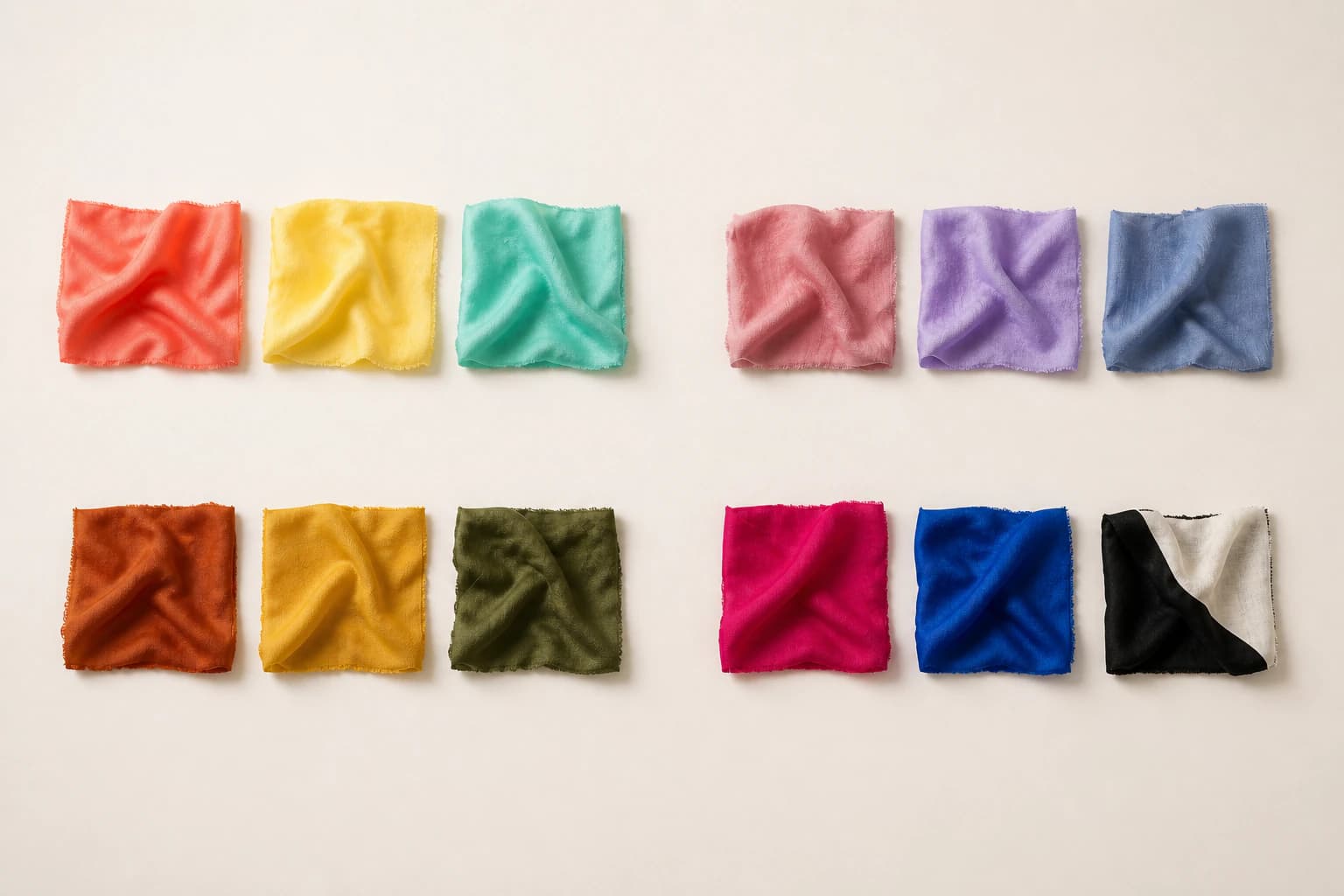
Personal color analysis is a way to identify the colors that sit naturally beside your features. The right colors can make your skin appear more even, your eyes more defined, and your overall look more balanced.
You may already know the four main seasons: Spring, Summer, Autumn, and Winter. The 12-season system adds three variations within each one. That extra detail makes it easier to find a palette that feels personal rather than approximate.
First, meet the four color families
Spring
Warm, fresh, and lively
Spring colors have warmth and a sense of light.
Coral, peach, daffodil yellow, warm aqua, and clear leaf green.
Summer
Cool, soft, and calm
Summer colors are cool and gently blended.
Dusty rose, lavender, soft navy, blue-grey, and seafoam.
Autumn
Warm, rich, and earthy
Autumn colors feel grounded and full-bodied.
Rust, olive, mustard, warm teal, chocolate, and terracotta.
Winter
Cool, clear, and striking
Winter colors are crisp and high in contrast.
Cobalt, emerald, fuchsia, icy pink, black, and pure white.
What makes one season different?
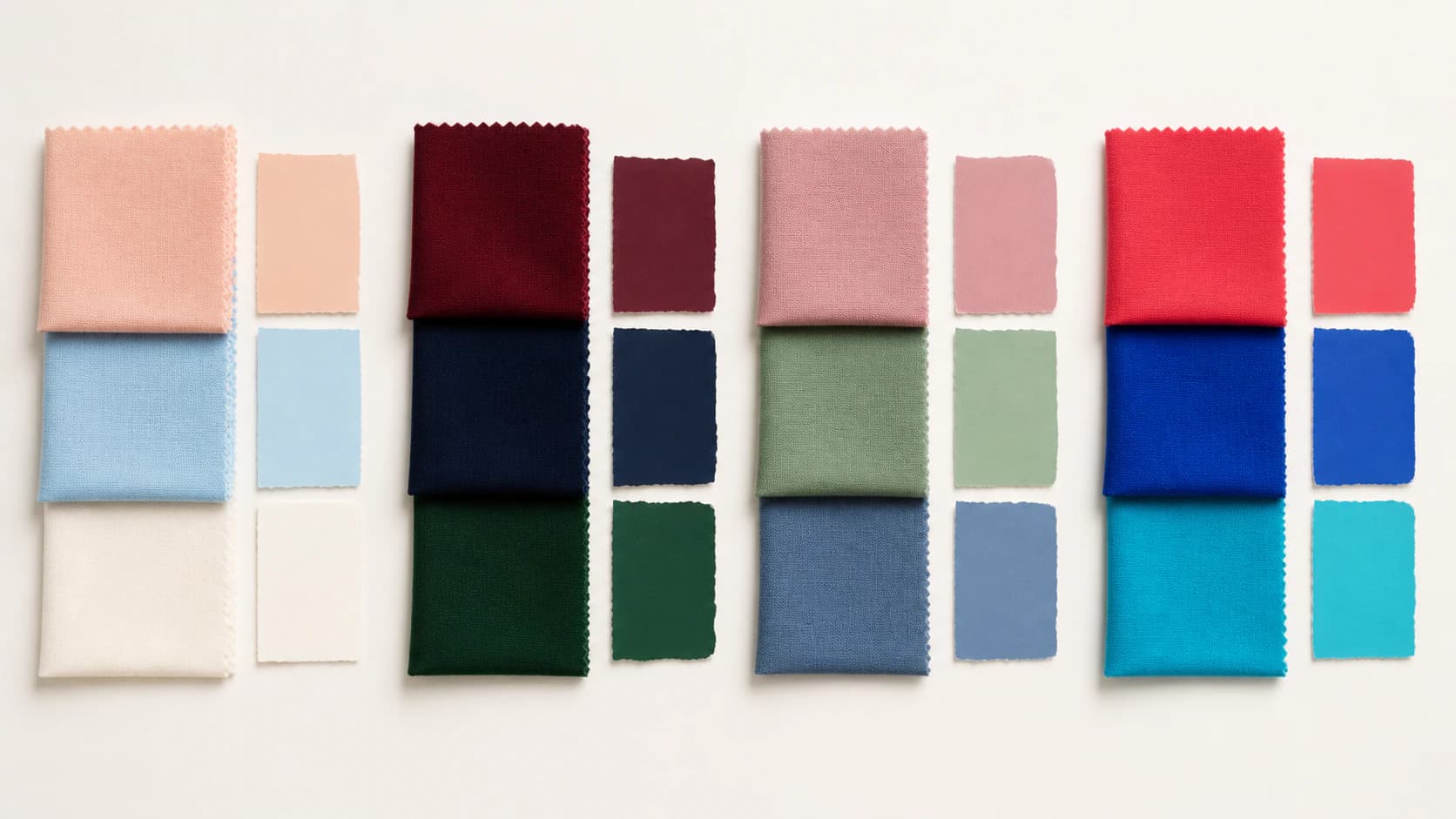
Each palette leans most strongly toward one simple quality:
- Light
- Airy colors with more white in them.
- Deep
- Rich, dark colors with visual weight.
- Soft
- Muted colors with gentle contrast.
- Bright
- Clear, vivid colors with little grey.
- Warm
- Colors with a golden, peach, or earthy feel.
- Cool
- Colors with a blue, pink, or icy feel.
- True
- The most balanced version of its main season.
Your seasonal family, refined
The 12 color seasons at a glance
Spring
Light Spring
Warm, delicate, and sunlit. Best colors include peach, warm ivory, light aqua, butter yellow, and fresh green. Very dark or dusty colors can feel heavy.
True Spring
Warm, clear, and energetic. Try coral, daffodil yellow, warm turquoise, tomato red, and grassy green. Icy pastels and greyed colors are less harmonious.
Bright Spring
Warm with a clear, vivid finish. Look for bright coral, turquoise, lime, poppy red, and clean navy. Soft, greyed colors may look flat.
Summer
Light Summer
Cool, airy, and gentle. Choose powder blue, cool pink, soft lavender, light denim, and cool mint. Black and very saturated colors can overpower this palette.
True Summer
Cool, softly blended, and refined. Raspberry, periwinkle, blue-grey, soft navy, and rose work especially well. Orange and golden browns tend to feel separate.
Soft Summer
Cool and muted with low contrast. Think dusty rose, sage, mauve, slate blue, and soft charcoal. Clear brights can look too sharp.
Autumn
Soft Autumn
Warm, muted, and relaxed. Good choices include sage, muted teal, dusty peach, camel, and warm taupe. Stark black and neon brights can feel harsh.
True Autumn
Warm, earthy, and substantial. Look for terracotta, olive, ochre, rust, warm teal, and chocolate. Icy or blue-heavy shades are less connected.
Deep Autumn
Warm and dark with a rich finish. Espresso, aubergine, forest green, dark teal, and oxblood create natural depth. Pale pastels may feel washed out.
Winter
Deep Winter
Cool and dark with strong contrast. Choose black, deep navy, burgundy, pine, and icy accents. Dusty mid-tones can lack definition.
True Winter
Cool, clear, and high-contrast. Cobalt, blue-red, emerald, icy pink, pure white, and black sit naturally together. Warm orange and golden beige often compete.
Bright Winter
Cool with maximum clarity. Try fuchsia, electric blue, vivid turquoise, true red, and sharp black-and-white. Muted colors may appear dull.
How to use your palette
You do not need to replace your wardrobe. Start with the colors closest to your face: tops, scarves, eyewear, jewelry, and makeup. Then use your palette as a guide when you buy something new.
Your season is not a list of rules. It is a shortcut to colors that are more likely to support your natural coloring. Keep the shades you love, borrow from neighboring palettes, and use your results in a way that still feels like you.